Did you know anxiety is the most common mental health concern for adults in the US? Further, anxiety affects 25% of children between the ages of 13 and 18! For young children, the odds are between 1 and 8. It’s important to know this because if we are equipped as parents with understanding and knowledge, our child’s well-being is drastically improved. Understanding what may be going on for our child bring us more patience and compassion. Here are three common signs of anxiety for children:
- Somatic Complaints Such as Stomachaches and Headaches.
Oftentimes for children, especially young children, anxiety manifests itself in the body. Does your child often complain of having stomachaches and/or headaches? Are they often complaining of an illness and you are starting to suspect there’s something else going on? This is a very common issue for children with anxiety. Begin to look for patterns and the timing of your child’s complaints.
- Sleep Difficulties Including Nightmares, Night Terrors, Sleep Walking, and/or Insomnia.
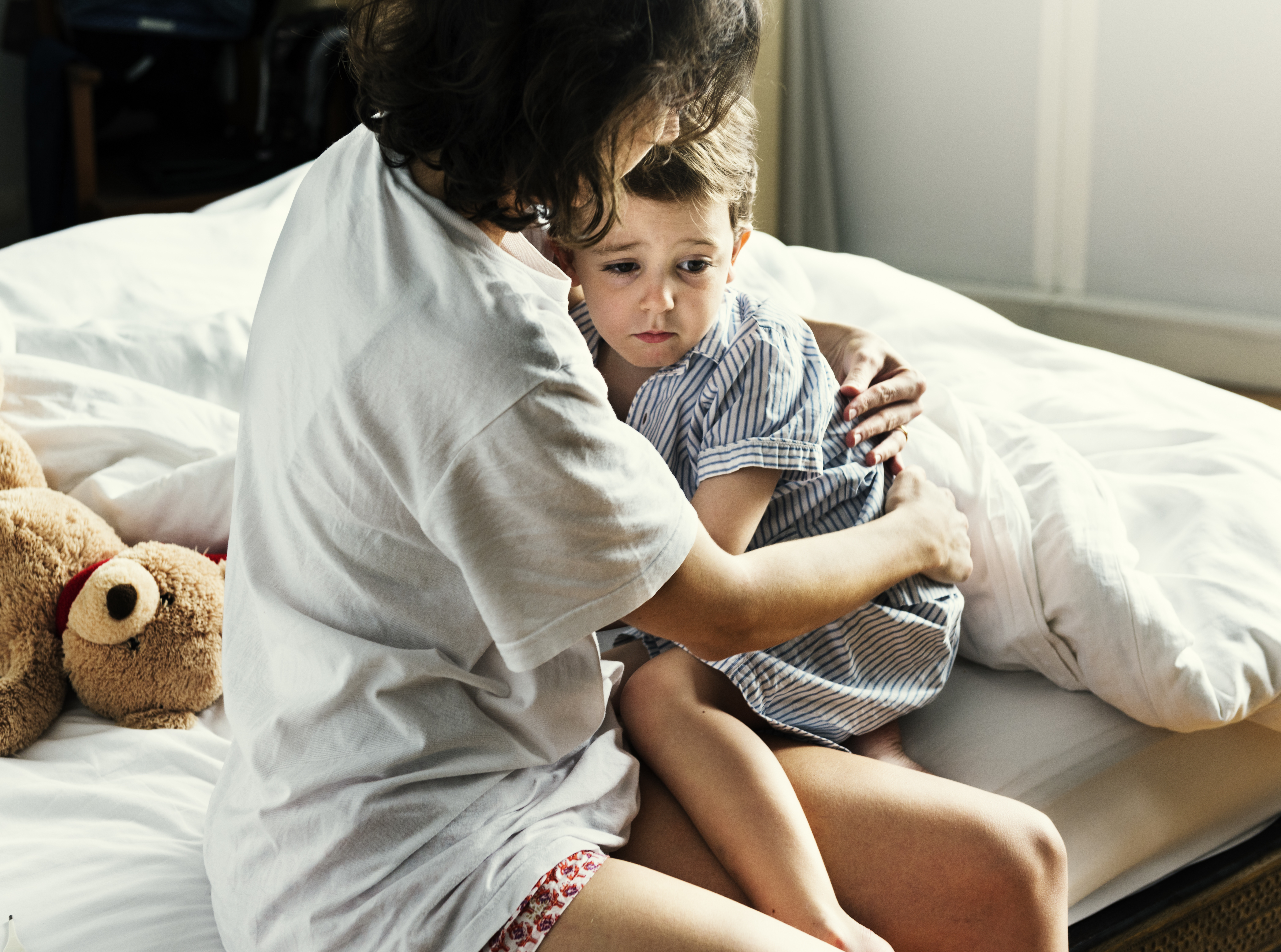
Children who struggle with anxiety and worry often have difficulty falling asleep and/or staying asleep. They commonly complain of nightmares and other issues with sleep. It is easy to misinterpret their complaint as an avoidance of going to bed and the line between true sleep issues and misbehavior can be blurry sometimes. Symptoms should never be interpreted without context so be sure to take into consideration other signs of anxiety. At nighttime, look for signs of distress and worry. Also, keep a sleep log for a couple of weeks to get a sense of your child’s sleep habits. If you do decide to seek mental health treatment for your child, this log will be extremely helpful for your counselor.
- Behavioral Issues Such as Tantrums and Defiance
For children who struggle with anxiety, being out in the world can be terrifying. They may be able to ‘keep it together’ while in public, but then come home and have a meltdown. Or, they may not be able to hold it all in, and may tantrum while out in public or at school. When your child has a tantrum, are you left wondering, ‘Where did this come from?’ It may stem from underlying anxiety.
Other times, children tend to have a tantrum prior to leaving the home, which could be due to anxiety related to going to school or daycare. School refusal can be very challenging to deal with. Your child’s underlying anxiety related to school will need to be addressed in order to see improvement.
When your child is struggling with underlying anxiety, it can be scary, confusing, and overwhelming. Try your best to have patience and compassion for your child. If it’s starting to interfere with your child’s functioning at home or school, you may want to reach out to a mental health professional. Cognitive Behavioral Therapy (CBT) has been shown through research to be extremely effective in treating childhood anxiety disorders. It is short-term and solution focused. You and your child will begin to see noticeable improvements soon! If you are in the Sacramento/Roseville area and are interested in your child participating in therapy, contact me today. Together, we can work together to reduce your child’s anxiety so that they can get back to their happy self!
Thanks for reading.